
1. Introduction: The Hidden Challenge of Growth
For multi-location businesses like restaurant chains, growth is the ultimate goal. But as the network expands, a dangerous side effect often emerges: a loss of financial control. The operational distance between the central brand (HQ) and its individual locations creates corrosive financial friction that erodes margins and trust, threatening the entire enterprise.
In multi-location businesses, growth isn't just opening more branches. The real issue is not losing control while growing.
This core challenge manifests as late payments, unpredictable cash flow, and procurement inefficiencies that ultimately harm everyone's bottom line. Conventional wisdom suggests offering flexible payment terms to support franchisees, but what if this reactive approach is fundamentally flawed? What if a stricter, more disciplined financial model could paradoxically create a stronger, more profitable ecosystem for both the central brand and its partners?
2. Takeaway 1: Eliminate Uncertainty with Instant Financial Clarity
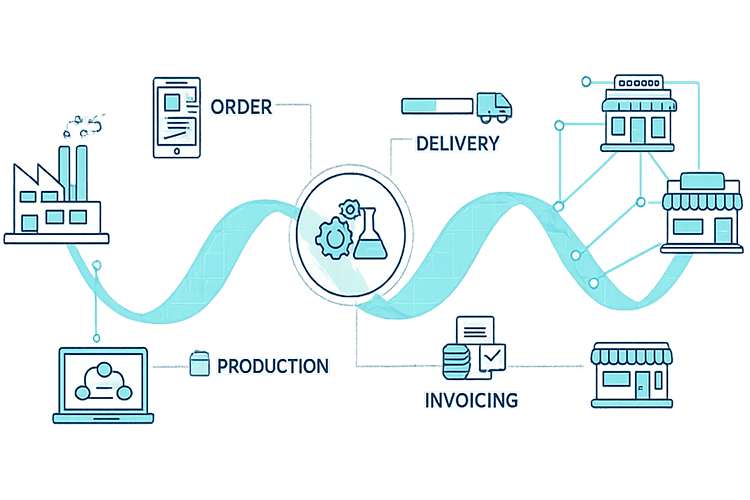
The foundation of this transformative model is a single, powerful mechanical change: franchisees pay for supply orders via credit card at the exact moment of placement. This simple action fundamentally re-engineers the transaction. An order entering the central system is not a request to be fulfilled and invoiced later; it is a fully settled financial event from its inception.
So the order is financially settled right from the very beginning.
This isn't a semantic difference; it's a strategic one that eradicates an entire class of financial risk. This shift collapses the order-to-cash cycle to zero, completely eliminating counterparty risk from franchisee debt and removing the need for an accounts receivable department to chase payments. It replaces financial ambiguity with absolute clarity and security.
3. Takeaway 2: The Superpower of a Cash-Positive HQ
This instant payment model immediately transforms the central brand's financial posture into a strategic asset. By receiving all payments upfront, the HQ operates in a perpetually cash-positive state, optimizing its working capital. This strong, predictable cash flow is a superpower that fundamentally changes its role from a mere “bank” extending credit to its franchisees into a strategic procurement powerhouse.
With guaranteed funds on hand, the HQ can exert significant procurement leverage, negotiating better prices with its own suppliers. It can execute bulk purchases and stock up on inventory before price hikes, operating from a position of financial strength rather than credit-based vulnerability. The impact is substantial, with this model enabling up to a 20% reduction in procurement costs. This operational advantage is built on a simple guarantee.
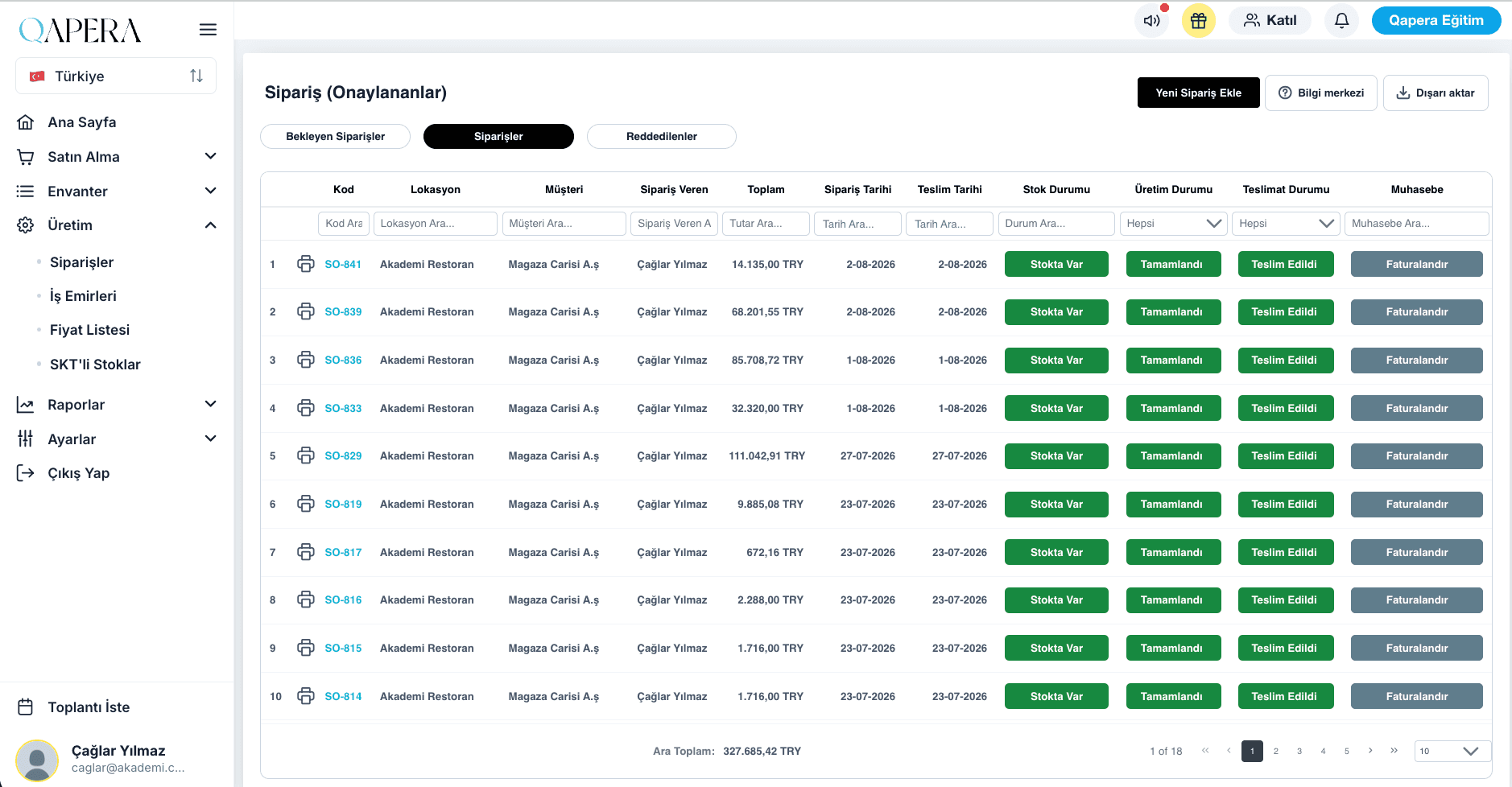
This means the finances for every product entering production are guaranteed from the start.
4. Takeaway 3: The Counter-Intuitive “Win-Win” for Franchisees
At first glance, a “pay-upfront” system might seem punitive to franchisees. How does requiring immediate payment actually benefit them? The answer lies in the symbiotic relationship between the central brand and its network, contrasting a minor, short-term inconvenience with a major, long-term strategic gain.
The significant cost savings achieved by the cash-positive HQ are passed directly to the franchisees through more stable and competitive pricing on goods. This shields their profit margins from supply chain volatility. The financial health of the center is not a separate goal; it is the engine that drives the stability and profitability of every individual branch. This mutual dependence ensures that strengthening the core strengthens the entire network.
This protects not just the center, but the franchisees as well.
In other words, this system is a win-win model for both sides.
5. Takeaway 4: Protecting the Brand is the Ultimate Insurance
Beyond operational finance, this model provides the ultimate strategic protection for every stakeholder: a resilient brand. While a single struggling franchisee may have a limited impact, a financially weak or failing central brand jeopardizes the entire system and everyone's investment.
By fortifying the brand's balance sheet, this model creates a protective moat around every franchisee's business. A financially secure central brand can consistently invest in the marketing, innovation, and support systems that elevate the entire network. This financial integrity acts as an insurance policy, ensuring the foundation upon which every franchise is built remains unshakable.
But if a brand is harmed, it affects all franchisees and their investments.
6. Conclusion: A Virtuous Cycle of Growth
The “pay-first” model proves that financial discipline is not a barrier to growth but its greatest catalyst. It creates a virtuous cycle: instant payments forge a cash-positive HQ, which leverages its capital for lower procurement costs. These savings are passed to franchisees, improving their profitability and stability, which in turn strengthens the entire brand. The result is a secure and sustainable ecosystem for growth that benefits every participant.
This forward-thinking operational model is powered by platforms like Qapera, which, in partnership with financial institutions such as Türkiye İş Bankası, builds the infrastructure for stronger brands and more resilient franchisee networks. By re-engineering the fundamental flow of capital, businesses can move beyond transactional friction to achieve true alignment.
As you look at your own business network, where could a simple shift in financial workflow unlock a new level of shared success?